|
|
|
|
|
|
|

| 최근 이 책을 구매하신 다른 회원의 책장 |
|
 |
|
|
|
[ 책 소개 ]
* A Publishers Weekly Best Book of the Year
* A Children's Book Council "Not Just for Children Anymore" Selection
Ox-Cart Man과 Chanticleer and the Fox로 두차례 Caldecott Medal을 수상한 Barbara Cooney의 아름다운 그림책입니다.
깊은 산속에 사는 소년은 언제나 대도시를 동경합니다. 온 가족이 바구니를 만들면 아버지는 환하게 길을 밝혀주는 보름달이 뜨는 날, 바구니들을 긴 막대에 매달고는 혼자서 허드슨 장터로 팔러 가곤 했습니다. 소년은 아버지에게 함께 가자고 조릅니다만, 그때마다 아버지는 좀더 크면 함께 가자고 대답합니다. 소년이 9살이 되었을 때 드디어 아빠와 함께 바구니를 팔러 가게 되었습니다. 허드슨시에 도착했을 때, 소년은 도싱의 번화한 모습과 다양한 풍물에 매료되었습니다. 하지만 집으로 돌아가려 할 때, 사람들이 촌놈이라고 놀리는 소리를 듣게 되고, 소년은 부끄러움과 치욕 때문에 큭게 낙담합니다. 그리고 아버지가 바구니를 만드는 일을 이어받기 싫다고 생각합니다. 몇주가 흐르고 소년이 바구니를 만드는 헛간에 갔을 때, 조 아저씨는 살아가는데 있어서 남들의 평가보다 더 중요한 것이 무엇인지를 불어오는 바람의 예를 들어서 가르쳐 줍니다...
큰 사이즈의 | 닫기x | 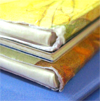 What is 하드커버? What is 하드커버?
양장본이라고도 불리우며, 표지가 단단한 판지로 만들어진 책입니다.
판지를 천이나 가죽으로 감싸기도 합니다. 책의 속지는 일반적으로 중성처리된 종이(Acid-free paper)를 사용해서 잘 변질이 되지 않기 때문에 오랫동안 보관하기에 적합합니다. 이 종류의 책은 더스트 재킷, 또는 더스트 커버로 불리는 표지덮개가 함께 있는 경우가 많습니다. 간혹 내부 속지가 콩기름 코팅이 된 경우 고약한 냄새가 나는 책도 있습니다.
|
[ 서지 정보 ]
Hardcover: 32 pages
ISBN-10: 0316735213
ISBN-13: 978-0316735216
책 크기: 28.5cm x 22.2cm
[ 영문 서평 ]
Book Description
After hearing some men call his father and him hillbillies on his first trip into the nearby town of Hudson, a young boy is not so sure he still wants to become a basket maker.
Publishers Weekly
Weaving in authentic details as seamlessly as Pa weaves the splints in his baskets, Ray (Mud; Pianna) pays homage not only to a time-honored craft, but to the way traditions link one generation to the next. A boy growing up in the hills above the Hudson Valley longs to accompany his father to town, where each month he takes his baskets to sell: "He always went when the moon was round, to have it for a lantern if he was late returning." As the seasons turn, the boy continues to watch and wait, listening to the stories Pa tells, observing the men at their basket weaving. Then after his ninth birthday, "I began to see Pa studying me the way he checked a basket when it was finished"; at the next full moon the boy is allowed to go to town. The journey opens the world to him, in more ways than one; the boy will never view his life the same way again. Ray's subtle symbolism and poetic language create a story that will linger with readers for many moons. And Cooney's (Ox-Cart Man) scenes are as pristine as the narrative. From countryside to bustling early- 20th-century metropolis, her deft brush picks out a few carefully chosen details to balance the ethereal simplicity of each scene: delicate fern fronds decorate the forest's undergrowth; a boy's red mittens counterpoint the muted grays of a winter scene; the iron filigree on a rooftop in town adds an elegant touch to the skyline. Author and artist unite in a tribute to the natural world humanity, and their abiding interconnectedness.
School Library Journal
This engaging book tells about a young boy's coming-of-age in an isolated rural community around the turn of the last century, and about the special baskets made by the people who live in the hills above the Hudson River. For years, the child has been eager to join his father on his monthly walk to the nearby town to sell the baskets. Pa always goes at the time of the "basket moon" (the full moon) because he needs its light to find his way home. Finally, after the boy's ninth birthday, he accompanies his father to town. He is excited by all the new things he sees there, but when a townie taunts them with "A tisket, a tasket, hillbilly basket! That's all a bushwhacker knows," he is devastated. He wants nothing further to do with basket making and wants his family to stop, too. One of his father's helpers, seeing the boy's distress, helps him to understand the artistic nature of their craft, and to value such work. The story is told by the boy in lyrical prose, and is graced by Cooney's soft-hued oil-and-acrylic paintings. The artist makes the mountains and forests glow with a suffused light that enhances their beauty and softens the family's hard life, and she artistically incorporates the various steps of basket making described in the text. An afterword explains a little of the history of these baskets and the people who made them. A luminous and deeply satisfying look back in time. |
|
|
|
|
 |
제품상제정보 배송/반품/교환 안내 |
|
|
|
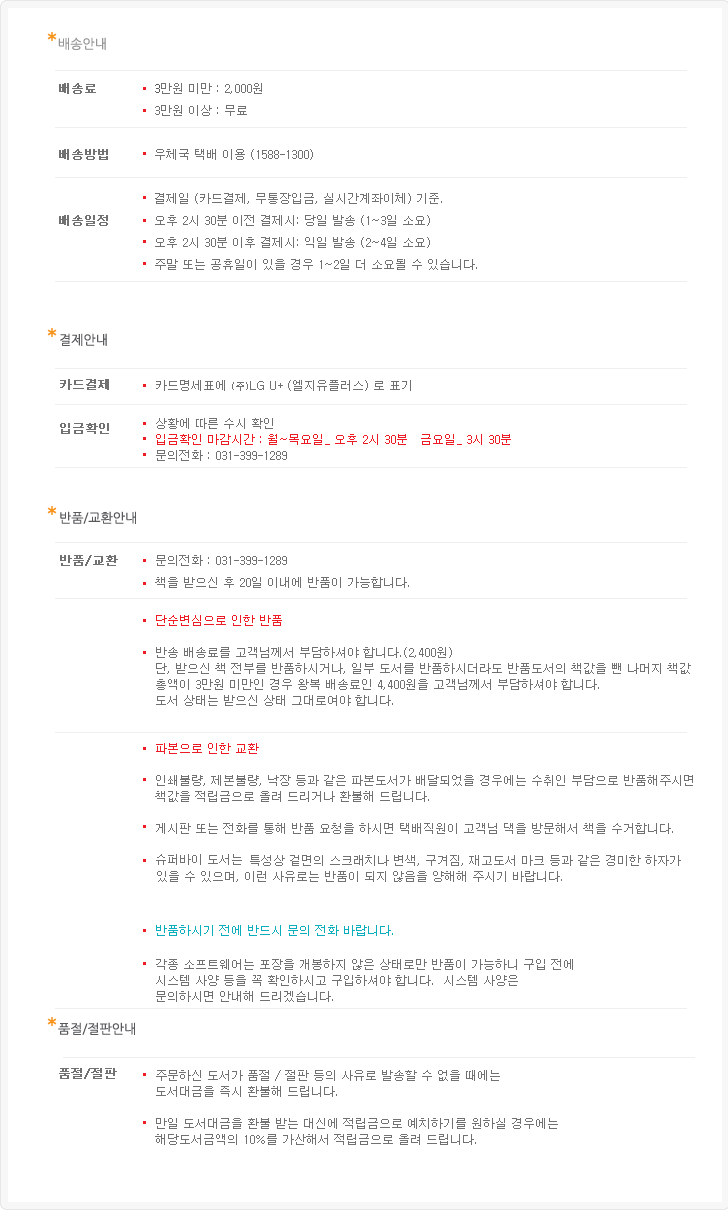
Super Buy 도서는 미국 출판사의 재고도서(Remainder Book), 초과출간도서(Excess Inventory), 할인도서(Bargain Books)
등을 직수입해서 정가의 55%~80%를 할인한 가격에 판매하는 제품입니다.
Super Buy 책의 품질은 거의 새 책과 같은
수준이지만, 간혹 커버의 스크래치나 접힘과 같은 하자나, 책 하단의 재고도서 마크가 있을 수 있습니다.
저렴하게 판매하는 Super Buy 제품의 특성상 반품이 되지 않습니다만, 파본인 경우에는 착불로 반품하시면 책값을
환불해드리거나 적립금으로 올려드립니다. (반품 전에 연락 요망)
하프프라이스북에서는 중고도서(second hand book)를 취급하지 않습니다.
|
|
|
 - 등록된 128,146건의 서평이 있습니다. - 등록된 128,146건의 서평이 있습니다.
| 더보기 
|
|
|
|
|
|
|
 |
|
|
|
|
|
|





 9.3점
9.3점 


 자연과 함께 하는 소박한 삶의 가치를 일깨워줘요.

 깊이가 있는 그림책
 Basket Moon
 | 조회 (47) | 추천 (11) | 전자은 2010/08/04