|
|
|
|
|
|
|

| 최근 이 책을 구매하신 다른 회원의 책장 |
|
 |
|
|
|
[ 책 소개 ]
성경에 실려있는 노아의 방주와 대홍수의 이야기를 세밀한 펜화 그림으로 재구성해서 보여줍니다. 방주를 만드는 과정, 방주 안에서의 동물들의 생활, 노아와 세 아들과 그들의 부인들이 동물들을 돌보는 모습, 점차 비가 그치고 다시 해가 비치기 시작한 후 육지에서 새 출발을 하는 모습 등 전체의 이야기를 때로는 긴박하고, 때로는 유머러스한 분위기를 느낄 수 있도록 흥미진진하게 보여줍니다.
이 책의 저자인 Arthur Geisert는 유머가 깃든 독특한 흑백의 펜화그림을 특징으로 하며, 그의 작품은 2차례 New York Times Best Illustrated Book으로 선정되었으며, Parents Choice에도 2차례 뽑히기도 했습니다.
비교적 큰 사이즈의 | 닫기x | 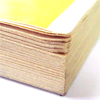 What is 페이퍼백? What is 페이퍼백?
표지가 두꺼운 판지나 보드지가 아닌 비교적 얇은 종이를 사용해서 만든 책이며, 실박음질 대신에 풀로 제본처리하는 경우가 많습니다. 일반적으로 하드커버나 보드북에 비해서 가격이 저렴합니다. 소프트커버로 불리우기도 합니다. 책의 이음새 부분이 접히거나 휘는 내구성이 그리 좋지는 않은 책입니다.
|
[ 서지 정보 ]
Edition : Paperback: 48 pages
ISBN: 0618006087
책 크기 : 30cm x 22.9cm
[ 서지 정보 ]
Book Description
If Noah had been an artist, he might have left us these plans for the building of the ark. With panoramic elevations and gloriously detailed cross sections, we can see how every arrangement is made for the accommodation of the pairs of animals. As the sky darkens and the rains fall, Noah and his family are busied with the care and feeding of all their passengers.
Publishers Weekly
The Biblical tale of Noah and the Ark has been illustrated numerous times, but Geisert (who created Pigs from A to Z ) presents an outstanding edition with beautifully detailed etchings. The illustrations open with Noah and his sons laying the keel in the desert in front of their home. As the book progresses, the ark begins to take shape, the animals arrive, the wives prepare for the journey and the clouds begin to gather. The intricate pictures of geometric spaces carved out by thin ink lines are optically dazzling; Geisert's attention to numerous points and details within the etchings provides additional depth and dimension to the spare, fluid telling.
Publishers Weekly
PW offered high praise for this "outstanding" telling of the biblical tale, calling the artist's intricate black-and-white etchings of the construction of the Ark and of the inhabitants within "optically dazzling."
School Library Journal
A dignified, somber retelling of the flood story. An introductory paragraph from Genesis sets the stage, but after that, words are minimal. Double-page spreads of cream and black etchings appear above one line of text or none at all. Liberties taken with the Bible narrative increase its appeal. For instance, the book notes that ``The family found time to rest only at dinner''; the accompanying picture shows an exhausted group sitting on upturned boxes at a plank table while monkeys scamper overhead. There is a primitive, barren quality to the world that Geisert depicts. Before the flood Noah and his family live in a cave-like dwelling carved out of black rock. Except for a goat who tries to eat laundry off the line, the animals are not cute or clever. Rather, they seem to be dumb beasts patiently waiting for release. The ark itself dominates most of the pages. Often the artist's angle of vision adds interest to the scene. Pages showing a certain section of the boat include parts of the decks directly above and below, conveying a sense of life chafing under restrictions. This version of the ark story may lack the immediate attraction of Hogrogian's (Knopf, 1986) or Fussenegger's (Lippincott, 1987), but because it forces readers to rethink a familiar tale, it merits a place on the shelves. |
|
|
|
|
|
|
|
|







 - 등록된 128,148건의 서평이 있습니다.