|
|
|
|
|
|
|

| 최근 이 책을 구매하신 다른 회원의 책장 |
|
 |
|
|
|
[ 책 소개 ]
* New York Academy of Sciences Children's Book Award
제이미는 봄에 호박씨를 심습니다. 호박씨는 조그만 싹을 틔우고 점점 자라서 꽃을 피우고 열매를 맺은 후, 마침내 가을이 되면 커다란 호박이 됩니다. 제이미는 할로윈 파티를 위해 호박에 눈, 코, 귀를 파서 얼굴모양을 만드는 것을 좋아합니다. 그리고 잊지 않고 내년에 새로 심기 위해 호박씨 여섯개를 소중하게 간직하지요.
계절별로 호박이 커가는 모습을 잔잔한 그림으로 보여주며, 각 페이지마다 등장하는 동물들을 찾아보는 것도 재미있습니다.
튼튼한 | 닫기x | 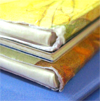 What is 하드커버? What is 하드커버?
양장본이라고도 불리우며, 표지가 단단한 판지로 만들어진 책입니다.
판지를 천이나 가죽으로 감싸기도 합니다. 책의 속지는 일반적으로 중성처리된 종이(Acid-free paper)를 사용해서 잘 변질이 되지 않기 때문에 오랫동안 보관하기에 적합합니다. 이 종류의 책은 더스트 재킷, 또는 더스트 커버로 불리는 표지덮개가 함께 있는 경우가 많습니다. 간혹 내부 속지가 콩기름 코팅이 된 경우 고약한 냄새가 나는 책도 있습니다.
|
[ 서지 정보 ]
Edition: Library Binding: 24 pages
Language: English
ISBN-10: 0688056962
ISBN-13: 978-0688056964
책 크기: 26 cm x 21 cm
[ 영문 서평 ]
Book Description
Jamie plants a pumpkin seed in the spring and, after watching it grow all summer, carves a face in it for Halloween! But best of all, he saves some seeds that he will plant again next spring. "Truly a book for all seasons."--Horn Book.
Publishers Weekly
PW praised the "exquisite drawings in this luminous documentation of a pumpkin's evolution; "the quality is breathtakingly soft and expressive."
School Library Journal
Softly colored pencil illustrations in a realistic style effectively communicate Jamie's pride as a very young gardener. He plants a seed, then grows and harvests a pumpkin from which he saves seeds for next year. The large, detailed drawings capture Jamie's anticipation and pleasure just right. The garden creatures appearing on every page and grandpa, whom we catch sight of now and then, are a delightful supporting cast. Nonreaders can easily follow the story in pictures alone. Very large, clear print on facing pages makes the simple narrative inviting for beginning readers, too. Libraries serving young children shouldn't miss this satisfying book in the tradition of Ruth Krauss and Crockett Johnson's The Carrot Seed (Harper, 1945) and Bijou Le Tord's Rabbit Seeds (Four Winds, 1984). The strong sense of the cycles of nature and a youngster's accomplishment make for a winning combination. |
|
|
|
|
|
|
|
|







 - 등록된 128,148건의 서평이 있습니다.